




Officials consider multimillion-dollar beach fixes amid concerns over fiscal responsibility and feasibility.
San Clemente officials are weighing costly beach restoration efforts and a proposed tax increase as coastal erosion continues to threaten critical infrastructure, raising fresh concerns among fiscal conservatives about long-term spending priorities and government efficiency.
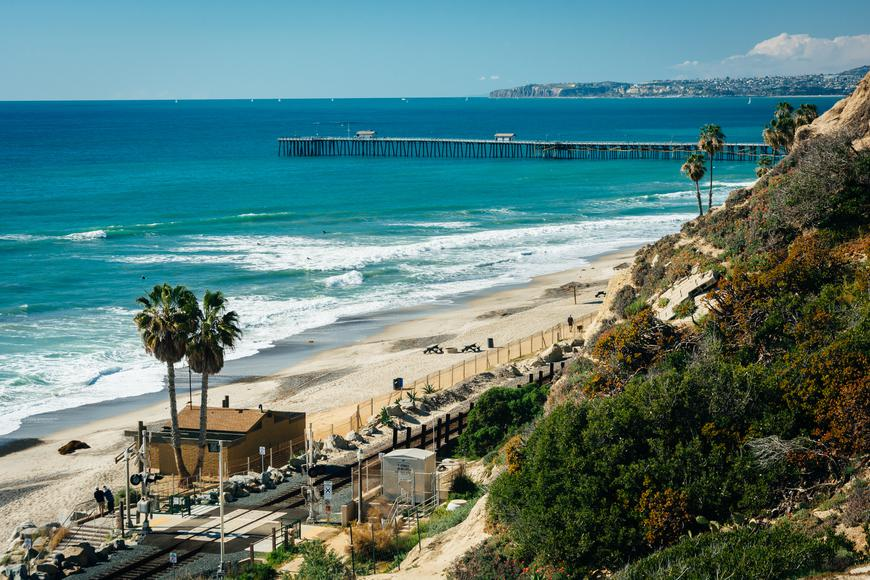
At a March 17 city council meeting, coastal administrator Leslea Meyerhoff warned that the city’s beaches—described as “critical public infrastructure”—require ongoing investment as erosion worsens. In recent years, waves have encroached on rail lines and bluffs, contributing to multiple train disruptions since 2021.
City leaders approved extending a shoreline monitoring program at a cost of roughly $200,000 while also reviewing proposals for large-scale sand replenishment. Estimates suggest restoring beaches to a stable width could require between two and nine million cubic yards of sand, an undertaking that could cost millions more in public funds.
Concerns over spending have already surfaced. Councilmember Zhen Wu expressed skepticism about pursuing expensive offshore breakwater projects, warning the city lacks the financial resources to realistically implement such plans.
“I’m reluctant to spend money on something that I don’t see a reasonable chance to get implemented,” Wu told the Voice of OC.
At the same time, a citizen-led ballot initiative proposing a 1% increase in the local sales tax is moving forward after qualifying for voter consideration.
Planning Commissioner Cameron Cosgrove, who authored the measure, said the proposal would split revenue between beach restoration and wildfire prevention. A similar tax hike failed narrowly in 2024, signaling potential voter hesitation toward higher taxes.
Some residents are urging the city to prioritize more cost-effective solutions. Local resident Mike Kay called on officials to reconsider traditional sand delivery methods, such as rail transport, arguing they may offer a more practical and affordable alternative to offshore dredging.
Meanwhile, broader government coordination is expanding. The Orange County Board of Supervisors recently approved the formation of a regional beach coalition to secure state and federal funding and streamline erosion mitigation efforts.
For many taxpayers, the debate reflects a familiar tension: how to protect vital infrastructure without overburdening residents with new taxes or committing to projects that may exceed realistic fiscal limits.