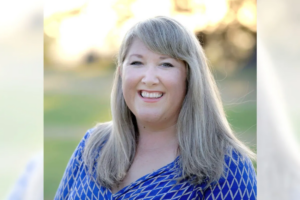





“I want my daughters—and every child in CUSD—to learn in schools where they are safe, challenged academically, and supported by adults who believe in their potential,” said Carralero.
The November 2024 general election marked a significant shift for Capistrano Unified. For the first time in a decade and a half, the CUSD Board of Trustees shifted to a pro-charter school and parental rights majority. That represented a major victory for proponents of school choice, who were largely outraised and outspent by union-backed progressive challengers—some of them incumbents.
This year, three of seven seats are up for grabs. That means union allies technically have an opportunity to flip the district back under their control. But it would take a clean sweep, and it won’t come easy.
In fact, conservatives may even make ground. It will require them to take Area 4, which covers portions of Laguna Niguel and Dana Point and is currently held by Trustee Gary Pritchard. Since Pritchard will not seek reelection, the choice for voters is between hopefuls Marco Carralero and Melissa Caldwell.
We reached out to both Carralero and Caldwell, and despite repeated requests for an interview, we did not hear back from Caldwell.
For those unfamiliar, Carralero is a business owner residing in Laguna Niguel whose health and wellness company is based in San Clemente. He’s also a father of two, and that’s “what makes this race personal for [him.]”
“I’m running because I’m a father of two daughters, and I care deeply about the schools they will attend,” Carralero said. “I want our schools focused on academic excellence, especially reading and math, with safe campuses, strong teachers, and respect for parents. Children deserve an education that prepares them to think independently and succeed in life, free from political agendas.”
Carralero believes the biggest challenge facing the District in the immediate future is improving student achievement while dealing responsibly with CUSD’s declining enrollment and financial pressures: “Declining enrollment requires the district to make realistic assumptions about future revenue and plan spending accordingly. We cannot build a sustainable budget around the hope that enrollment or funding will rebound.”
For what it’s worth, former Trustee Michael Parham blamed that decline in enrollment on the success of charter schools.
On the subject of charters, Carralero expressed support for their approval and expansion provided they “[demonstrate] a sound academic program, responsible finances, capable leadership, and a clear benefit to students, consistent with applicable requirements.”
“I support parents having meaningful educational choices, including high-quality public charter schools,” said Carralero. “Children have different needs, and families should have access to schools where their children can thrive… Charter schools should be held accountable for student achievement and the responsible use of public money, just as district-operated schools should be.”
That, of course, doesn’t mean that Carralero won’t cooperate with teachers or their union representatives in the Capistrano Unified Education Association and the California Teachers Association (though these groups have not and are unlikely to endorse him, as is generally the case for pro-charter candidates). He gave a measured response centered around fiscal responsibility and a promise to evaluate proposals based on whether they improve education and whether the district can responsibly afford them: “Supporting teachers also means making sure the commitments we make today are sustainable in the years ahead.”
“I respect our teachers and the work they do every day. They deserve fair compensation, safe working conditions, and the resources to teach effectively,” Carralero said.
We were curious to ask Carralero his position on two areas where CUSD has historically not always fared well: transparency and parental rights. Trustee Pritchard, whom Carralero seeks to replace, voted against a parental notification policy (put forth by Trustee Lisa Davis) which would have required CUSD staff to inform parents if their child was attempting to change their gender or “socially transition” at school. His compatriot, former Trustee Parham, previously said that teachers and administrators “determine whether there’s something that rises to the occasion that a parent is the risk [to their own child].”
We asked Carralero what role parents should play in decisions about curriculum, library materials, student health, and school policies.
“Parents have the primary responsibility for raising their children and should be involved in all decisions affecting their education and well-being. They should be able to review curriculum and library materials, receive clear information about proposed policies, and raise concerns with confidence that someone will listen and respond. Instructional materials should always be age-appropriate and serve a clear educational purpose,” he said.
He also believes that it’s incumbent on schools to keep parents informed about any concerns involving their child’s health, safety, or emotional well-being: “Parents and teachers need to work together to help children grow and succeed. Building that relationship requires openness, trust, and respect for the parent’s role as the primary educators of their children.”
On the subject of governance and transparency, there’s similar “room for improvement.” While budgetary decisions are made publicly available, they aren’t always accompanied by clear explanations of what those decisions will mean for their schools, Carralero argues. “Parents should have a meaningful opportunity to weigh in before major decisions are made,” he added.
“I want students, parents, and staff alike to feel comfortable bringing concerns to the Board and confident that those concerns will receive serious consideration,” Carralero continued. “I would push for understandable budget summaries, clear explanations of major spending proposals, regular reporting on academic progress, and periodic updates on school infrastructure that gives families and staff confidence that classrooms and campuses are safe, healthy, and free from environmental toxins.”
Carralero concluded. “Families deserve a trustee who listens, does the homework, respects their role as parents, and keeps student achievement at the center of every decision.”