



“The defendant called his company ‘Abundant Blessings,’ but the only abundant blessings he gave were to himself,” said L.A. County District Attorney Nathan Hochman.
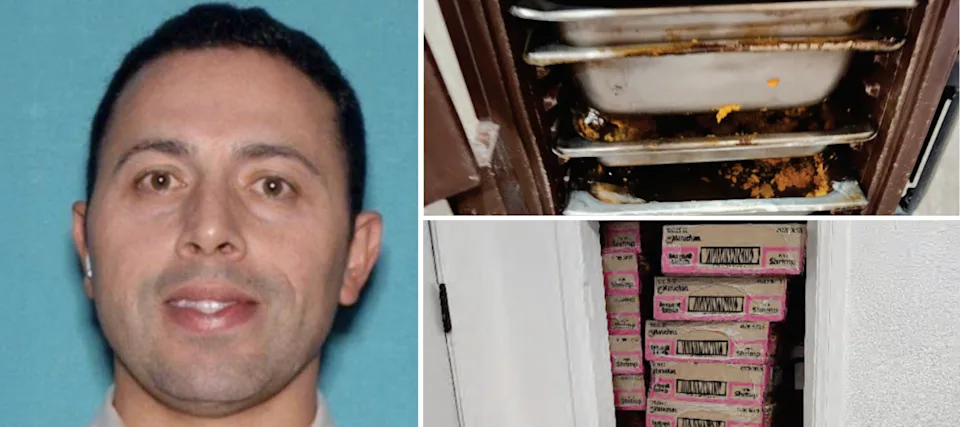
This week, federal authorities arrested Alexander Soofer, a 42-year-old nonprofit leader from Westwood on serious federal fraud charges linked to millions in public dollars meant for homelessness services in Los Angeles. Prosecutors say that Soofer used his position as executive director of Abundant Blessings to enrich himself and his family—blatantly misusing taxpayer money to finance luxury properties, private schooling, expensive vacations, and designer goods.
In a federal complaint filed in Los Angeles, authorities allege that Soofer’s charity received more than $23 million from government contracts awarded between 2018 and 2025 to provide shelter, meals, and supportive services to unhoused residents. Of that sum, prosecutors say at least $10 million was funneled into his personal life, including a $7 million house.
“Self-dealing government funds intended for food and housing for homeless residents of L.A. County, including families and children, is despicable,” Los Angeles County District Attorney Nathan Hochman said. “The defendant called his company ‘Abundant Blessings,’ but the only abundant blessings he gave were to himself. My office will ensure anyone who thinks they can defraud the government will be brought to justice.”
Contracts to which Soofer agreed required Abundant Blessings to provide three nutritious meals a day for hundreds of participants. Investigators allegedly found low-cost food items like ramen noodles and canned beans being served. Falsified vendor invoices were used to mask the discrepancy.
As is often the case with fraudulent NGOs, the social media presence for Abundant Blessings is practically nonexistent. Their Facebook page has three likes and hasn’t been updated in three years. The business phone number is a long-disconnected line.
Soofer’s arraignment is set for later this month, and he has been released on bond while he awaits trial.
If convicted, Soofer faces up to 17 years in state prison. On top of that, federal wire fraud charges carry potential penalties of up to 20 years in prison if convictions are obtained.
Prosecutors say this is the third significant arrest emerging from the Homelessness Fraud and Corruption Task Force, a multi-agency effort launched to uncover misuse in these sprawling funding streams.
“For too long, California has left the spigot of taxpayer dollars on and has not provided anywhere near enough oversight of how the money is being spent,” said Bill Essayli, First Assistant U.S. Attorney for the Central District of California. “Thankfully, the federal government is stepping in to enforce the law. We are demanding accountability—something the state’s leaders for years have failed to do.”
Soofer’s story also feels unmistakably tied to a wider narrative already unfolding nationally. In Minnesota, federal prosecutors, congressional investigators, and watchdog auditors are grappling with allegations half or more of roughly $18 billion paid out through state programs since 2018 may have been obtained through fraudulent billing or ghost services. Some of the federal scrutiny has focused on childcare assistance, Medicaid billing, autism support services, and pandemic nutrition programs, with dozens of indictments and convictions already in place.
The intensity of those discoveries has made uncovering fraud a topic of intense national interest. President Trump has long alleged that the full scale of fraud taking place in California dwarves that of Minnesota. Essayli two has called the Golden State the “poster child of rampant fraud, waste, and abuse of tax dollars.”
Last week, Secretary of the Treasury Scott Bessent confirmed that while Governor Gavin Newsom is liaising in Davos with Alex Soros—son of billionaire financier and Democrat mega-donor George Soros—a probe into California’s alleged fraud has begun.
“The Trump administration is coming to California,” said Bessent. “We are going to crack down on waste, fraud, and abuse.”
“We will find out where every dollar went,” said Essayli. “We want to get to the bottom of the fraud.”