



Eighteen organizations break from broader LGBTQ coalition to refocus on lesbians, gays, and bisexuals.
In a significant reorganization of the global queer rights movement, 18 national organizations have announced the formation of LGB International, declaring their formal separation from the traditional LGBTQ+ umbrella.
The new alliance argues that many legacy LGBTQ+ groups have shifted focus from same-sex attraction and sex-based protections toward gender identity ideology, marginalizing the interests of lesbians, gays, and bisexuals.
Frederick Schminke, chair of LGB International, warned that “same-sex rights are being lost while traditional LGBTQ+ organizations have barricaded themselves up against all reason,” according to Juno News.
In Canada, LGB Alliance Canada is now operating under this new international umbrella, accusing groups like Egale Canada of prioritizing gender affirmation over defending same-sex rights.
Bev Jackson, co-founder of the UK’s LGB Alliance, added the movement offers a safe space “to young gays and lesbians … who are pressured to become ‘trans.’”
LGB International states its mission is to “protect and defend the rights and interests of lesbians, gay men and bisexuals … based on the reality of biological sex and sexual orientation.” Among its priorities are opposing medical transition for minors, promoting sex-based spaces, and advocating at international forums.
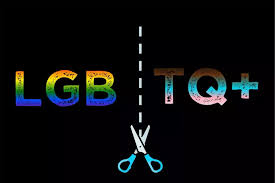
They explicitly reject what they call the “forced teaming” of LGB with TQ+ (trans and queer) under one label, arguing that the conflation undermines clarity and distinct political interests.
Established LGBTQ+ organizations and advocates have rejected the breakaway, claiming exclusion of trans voices harms community unity and leaves vulnerable populations unprotected.
Equality Australia’s legal director, Heather Corkhill, argued, “Excluding trans people only leaves the most vulnerable less protected. Trans-exclusionary groups are a tiny minority. They do not speak for the broader LGBTQ+ community.”
The launch of LGB International follows earlier regional divisions, such as the UK’s LGB Alliance, which has long criticized mainstream LGBTQ groups for embracing identity politics and transgender advocacy.
Some see the alliance as a growing exponent of global “gender critical” movements that seek to reassert biological sex as the organizing principle of rights.
The formation of LGB International will test whether this split can gain traction, or whether it deepens contention inside LGBTQ+ and human rights communities.