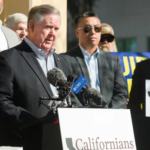




Despite posturing as a fiscal watchdog fighting to combat the “escalating costs for goods,” Foley just voted in favor of rate hikes for trash disposal services which could see disposal fees double by 2030.
The Orange County Board of Supervisors has quietly approved a slate of rate hikes that could significantly raise the cost of trash service for residents across the county. If the approved increases hold, cities warn that disposal fees could double by 2030—an outcome that will almost certainly be passed on to households already stretched by inflation, taxes, and rising utility costs.
In the words of the Voice of OC’s Noah Biesiada, this comes at a time when “many cities are already struggling to balance their budgets, pointing to steadily increasing costs and tax rates that aren’t keeping up.” Biesiada’s reporting also points out that “costs are also set to go up for cars and trucks bringing trash to the dump, with prices in one case tripling from $5 to $15 for cars and large waste items like furniture and mattresses.”
Notably, the Supervisors didn’t address the increase when they approved it last month. Meanwhile, Supervisor Katrina Foley is continuing to publish business-as-usual newsletters and year-in-reviews where she boasts about “cutting costs” and fighting to combat the “escalating costs for goods.”
Why, then, did she just support rate hikes for waste disposal?
Previously, Foley previously voted in 2022 to withdraw from the OC Power Authority, saying:
“The Board must take proactive steps to combat the climate crisis while simultaneously fulfilling our fiduciary duty to protect taxpayers and businesses from unnecessary increased rates.”
That argument hinged on two ideas: environmental responsibility and cost protection. But in the case of trash disposal—a core environmental service—those concerns appear to have vanished.
Foley did not publicly advance an environmental rationale for the rate hikes, nor did she argue that the increases were necessary to achieve measurable climate or sustainability goals. Instead, the Board approved higher costs without explanation and moved on.
So what changed? If fiscal responsibility justified leaving the OC Power Authority, why didn’t it warrant opposition—or even public explanation—when it came to trash rates?
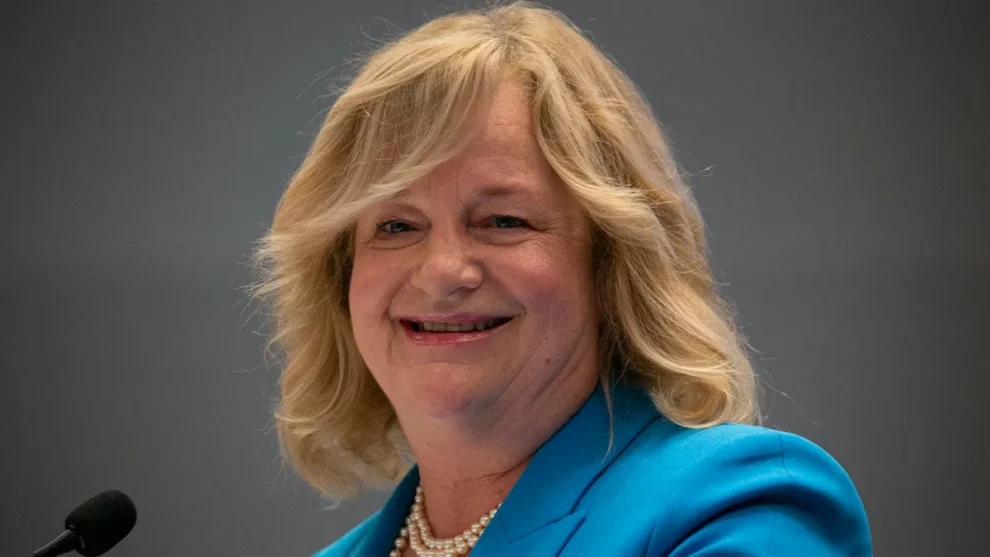
Foley’s not alone in approving the tax rates, of course. But she is in a unique position among her colleagues on the Board. She holds one of three seats up for grabs in the 2026 elections; but the Fourth District’s representative, Doug Chaffee, is terming out, and therefore leaves an open contest; and the Second District’s Vince Sarmiento does not—at the time of writing—face a credible challenger who has been endorsed by the Republican Party. Foley, on the other hand, faces a difficult and viable opponent: Assemblywoman Diane Dixon (R-Newport Beach), who announced her bid for the seat last April. Given the high stakes, Foley should expect a high degree of scrutiny for her voting record—and be wary not to upset constituents in the conservative-leaning Fifth District.
Critics argue there is a contradiction between that voting record and the way Foley brands herself as a fiscal watchdog. She is very active on social media and her press releases are robust—filled with abundant ribbon cuttings, mixers, and conferences. When convenient, Foley does have a record of providing further context on controversial votes. But that is not the case here.
If Foley wants to be seen as a defender of the taxpayer, that role requires more than fluffy newsletters and merry photo ops. It requires a willingness to publicly defend votes that have real financial impacts on residents.
And because she and the Board chose to move on from the matter without further discussion, community reactions to the news have been overwhelmingly negative. Online comment sections and community forums filled quickly with skepticism and anger.“This is absurd,” said user Moe Howard. “We need more fiscal responsible politicians to [quit] wasting money on things like the train to nowhere and stop killing us taxpayers.”
“It’s not dealing with trash that’s expensive, it’s the increased labor costs due to unions,” commented another user. “Unions keep fighting for increased salaries, benefits and retirement… It’s funny how these government employees are constantly getting paid more and more for the exact same job while we have to pay more.”
“We’re already paying through the nose,” said yet another. “Price gouging.”




Add Comment